Campus tour collected feedback on facility development – see the initial results
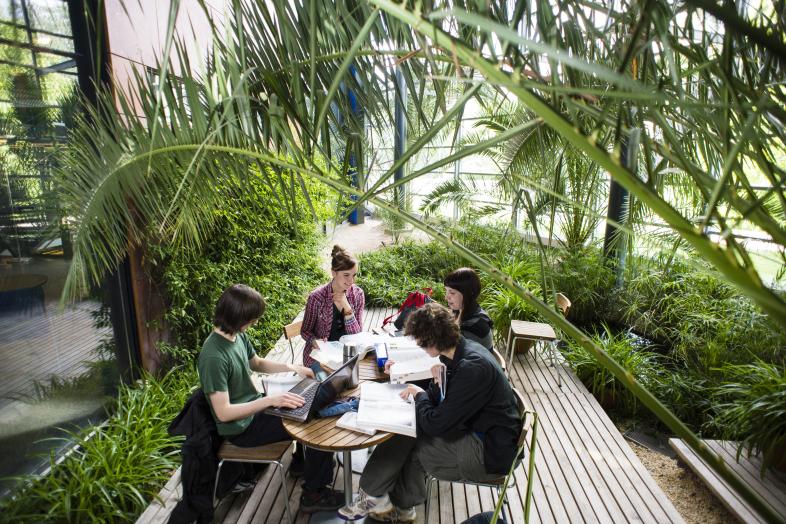
The insights collected will support upcoming development projects and help address immediate improvement needs across campuses.
In February, the University of Helsinki Property Services (HY247) and Facilities and Properties sector organized a series of campus events to gather feedback from students and staff about their everyday environments.
This piece of news provides a summary of the first results from the questionnaire.
If you haven’t shared your views yet, you can still participate via this link. A broader response base helps us better understand user needs and improve campus spaces accordingly. Implementing our campus vision is a joint effort.
Now, let’s look at the first findings!
City Centre: historic atmosphere draws people in – congestion and noise frustrate
Meaningful places – what makes them important?
At the City Centre Campus, meaningful places are shaped by atmosphere, people, and the historic environment. Respondents highlighted:
- Architecture & beauty: the Main Building, Athena, and other historic spaces stand out
- Social life: courtyards like Topelia and shared spaces such as Aleksandria foster community
- Daily work & study: libraries, offices, and labs support everyday routines
- Practical comforts: canteens, parks, and inclusive spaces (e.g., prayer rooms)
Uncomfortable places – what doesn’t work?
Challenges often relate to crowding, noise, and limitations of older buildings:
- Crowding: small elevators and congested areas (especially Kaisa Library)
- Noise: traffic, vibration, and disruptive soundscapes
- Layout issues: cramped meeting rooms and difficult circulation routes (e.g., Think Corner)
- Aging infrastructure: facilities that feel outdated
“Place‑to‑be” – what makes a space stand out?
Spaces that combine architectural character with social vitality are the most appreciated:
- Identity & heritage: the Main Building, Athena, and Siltavuori area
- Event spaces: large halls and active communal areas
- Recognizable study spots: Aleksandria and Kaisa Library as central hubs
- Courtyards & parks: Topelia and surrounding green areas provide relaxed environments
Kumpula: calmness and natural light are the ideal – corridors and the restaurant frustrate
Meaningful places – what makes them important?
At Kumpula, meaningful places are those that support focus, comfort, and everyday routines:
- Spaces for concentration: libraries, student rooms, and well-equipped classrooms
- Comfortable environments: quiet, well‑lit, and pleasant spaces
- Social connections: areas for meeting, collaboration, and informal interaction
- Daily rhythms: lunch spots and familiar routes across campus
Uncomfortable places – what doesn’t work?
Uncomfortable areas typically share issues related to noise, crowding, and atmosphere:
- Chemicum cafeteria: noisy, crowded, and often perceived as dark
- Lobbies & hallways: busy, cold, or chaotic during peak times
- Atmosphere: some spaces feel bleak or impersonal
- Underused outdoor areas: lacking clear purpose or comfort
“Place‑to‑be” – what makes a space stand out?
Attractive places balance good design, usability, and opportunities to spend time:
- Social areas: spaces suitable for interaction and events
- Physicum lobby: valued for natural light, spacious layout, and warm materials
- Places with unique features: distinctive elements that contribute to campus identity
Viikki: nature is the trump card – indoor air quality and long corridors are stumbling blocks
Meaningful places – what makes them important?
At Viikki, meaningful places are strongly connected to community, nature, and everyday functionality:
- Social hubs: Kertsi, Unicafe, and the library
- Study & work: library spaces, labs, and offices supporting daily tasks
- Atmosphere: pleasant interiors, good food (e.g., Biokeskus), and thoughtful small design details
- Nature: parks, greenery, and outdoor areas that shape the campus identity
Uncomfortable places – what doesn’t work?
Discomfort is mainly caused by indoor climate challenges and limited suitable spaces:
- Environmental issues: cold lecture halls, poor air quality, dark or stuffy spaces
- Layout problems: long corridors and unclear navigation
- Facilities: uncomfortable seating, few outlets, and insufficient toilets
- Noise & crowding: busy spots that hinder focus
- Accessibility: long distances and uninviting walking routes
“Place‑to‑be” – what makes a space stand out?
The most appreciated places offer lively atmosphere, good facilities, or access to nature:
- Community & vibe: student-centered areas like Kertsi
- Food & services: Biokeskus, Coolheads brewery, and well-equipped facilities
- Nature: green surroundings and outdoor spaces
- Learning environments: library, greenhouses, and research spaces that invite exploration
Meilahti: the library shines – lecture halls are too cold and places are too crowded
Meaningful places – what makes them important?
At Meilahti, meaningful places revolve around study routines and shared student spaces:
- Study environments: lecture halls and quiet workspaces
- Student areas: places like Mocsu for breaks and social interaction
- Familiar daily spaces: areas used frequently during study days
Uncomfortable places – what doesn’t work?
Key challenges relate to comfort, crowding, and usability:
- Temperature: lecture halls often too cold
- Crowding: congested canteens and long queues
- Noise: distractions in shared spaces
- Facilities: too few power outlets and uncomfortable seating
“Place‑to‑be” – what makes a space stand out?
Despite fewer responses, certain places are clearly appreciated:
- Library spaces: for comfort, atmosphere, and seating
- Student areas: Mocsu and similar environments
- Design & features: modern interiors or unique elements (e.g., anatomy models)
Common Themes
Across all campuses, the feedback underscores how strongly everyday environments influence studying, working, and overall wellbeing. People gravitate toward spaces that feel comfortable, practical, and welcoming – places where temperature, air quality, acoustics, seating, and overall atmosphere support both focused work and meaningful interaction.
Spaces perceived as most appealing share a clear sense of identity and community – achieved through thoughtful design, natural surroundings, or simply offering room to meet, relax, and connect.
From HY247 and Facilities and Properties' perspective, the findings point to two central development priorities:
- Improving indoor environmental quality and everyday usability (temperature, air, noise, functionality)
- Supporting the creation of comfortable, flexible self‑study and social spaces
Thoughts, comments, questions? Discuss this news item on Flamma.
Text: Joonas Joenvuo (HY247)
Photo: Veikko Somerpuro